Optimal Timing for Caulking Applications
Caulking is a critical maintenance task that helps prevent water intrusion, air leaks, and structural damage. Proper timing ensures the effectiveness and longevity of caulking applications, making it essential to understand seasonal and environmental factors.
The best time for caulking is during mild weather with temperatures between 40°F and 80°F. Avoid caulking during rain, high humidity, or extreme cold or heat, as these conditions can compromise adhesion and curing.
Spring and early fall are ideal seasons for caulking projects, providing stable temperatures and lower humidity levels. Avoid winter months in colder climates where freezing temperatures can prevent proper curing.
Plan caulking projects during periods of low wind and dry weather. Proper surface preparation and timing enhance adhesion and durability of the sealant.
Environmental conditions such as direct sunlight, rain, or dew can affect the curing process. It is recommended to wait for at least 24 hours of dry, stable weather after application.
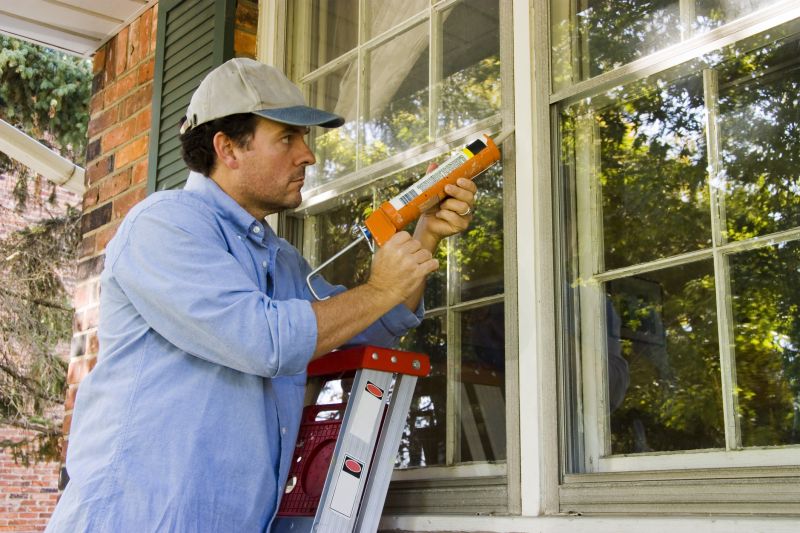
Spring offers moderate temperatures ideal for caulking projects.

Early summer provides warm, dry conditions suitable for sealing.
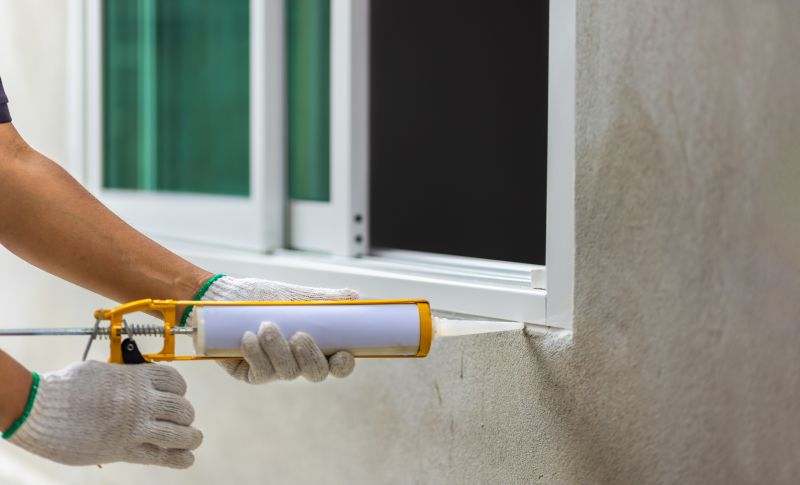
Early fall's stable weather makes it a preferred season for caulking.
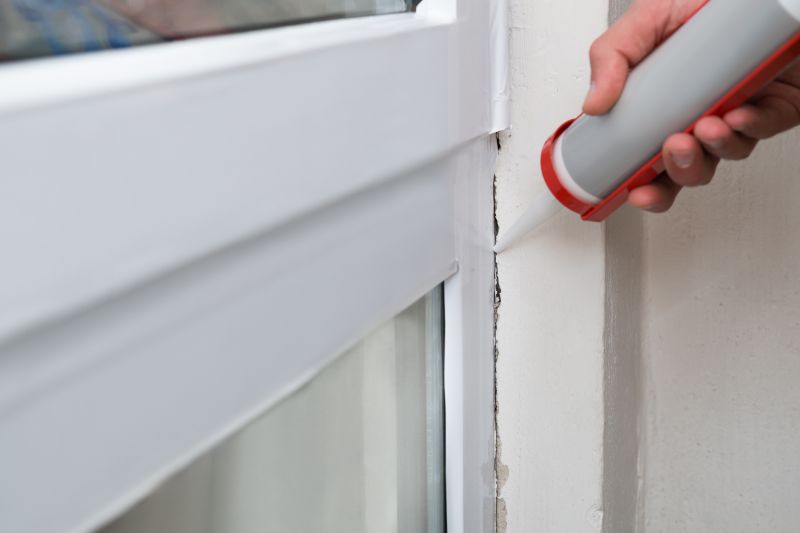
Cold temperatures and moisture can hinder proper curing of caulk.
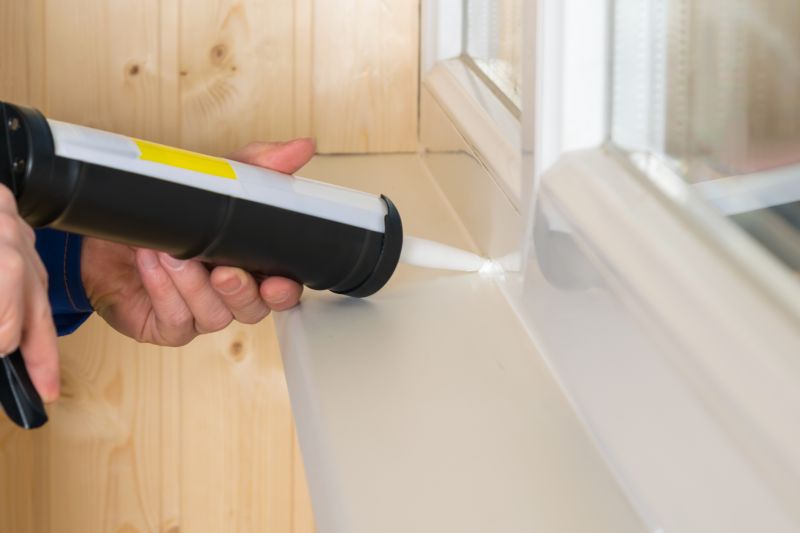
Ensure surfaces are clean and dry before applying caulk for best results.

Check weather forecasts to avoid applying caulk before rain or extreme temperatures.
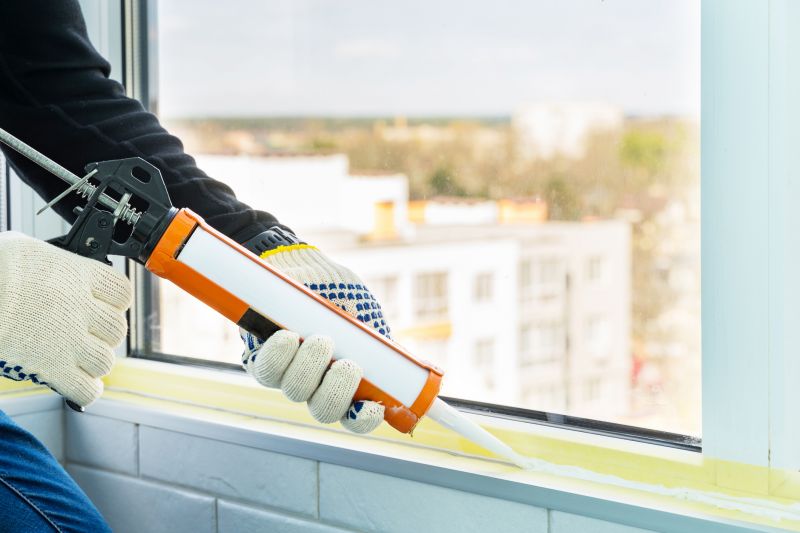
Choose appropriate sealants based on seasonal conditions and material compatibility.
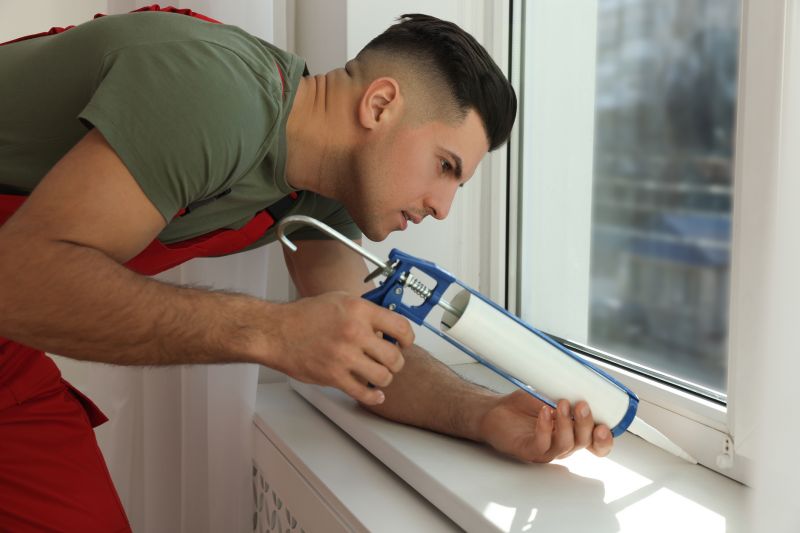
Regularly inspect caulking for cracks or deterioration, especially after severe weather.
| Season | Recommended Conditions |
|---|---|
| Spring | Temperatures 50°F-70°F, low humidity, dry days |
| Summer | Warm temperatures, low humidity, minimal rain |
| Fall | Stable weather, temperatures 50°F-70°F |
| Winter | Cold temperatures below 40°F, high moisture, freezing conditions |
Statistics indicate that well-maintained caulking can significantly reduce energy costs by preventing air leaks. On average, poorly sealed gaps can account for up to 20% of heating and cooling loss in buildings. Regular inspection and timely reapplication of caulking improve building performance and protect structural components from moisture damage. Choosing the right time to perform caulking ensures optimal adhesion, curing, and durability, ultimately saving costs and maintaining the integrity of the structure.
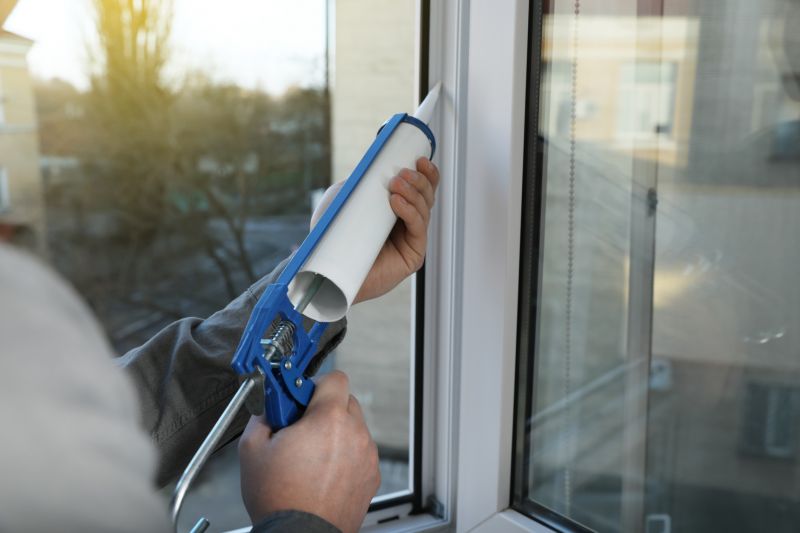
Spring's mild weather supports effective caulking projects.
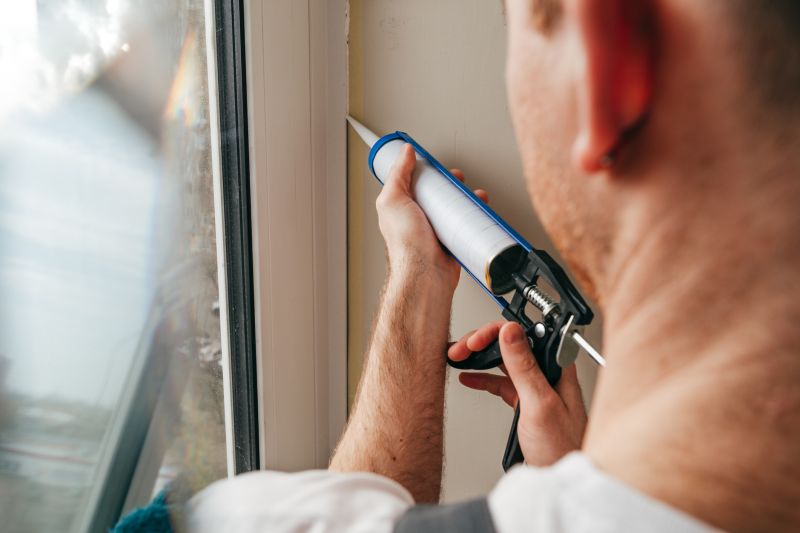
Warm, dry conditions facilitate proper sealant curing.
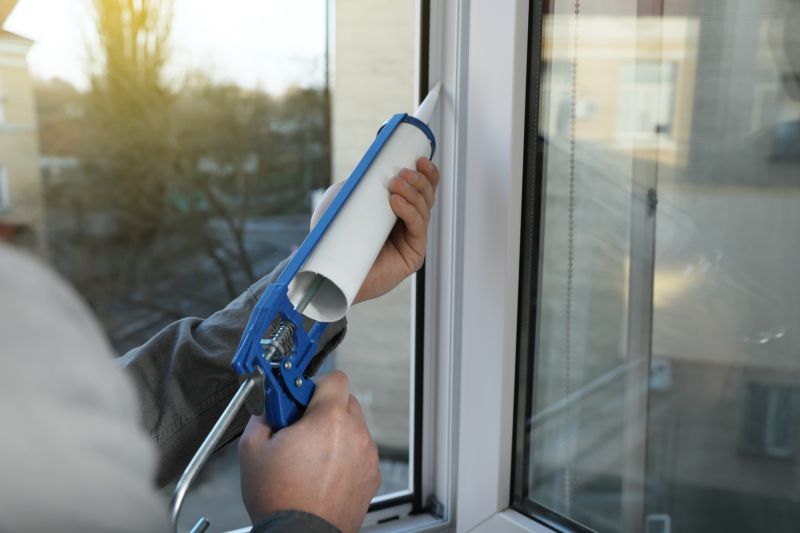
Ideal for sealing before winter weather sets in.
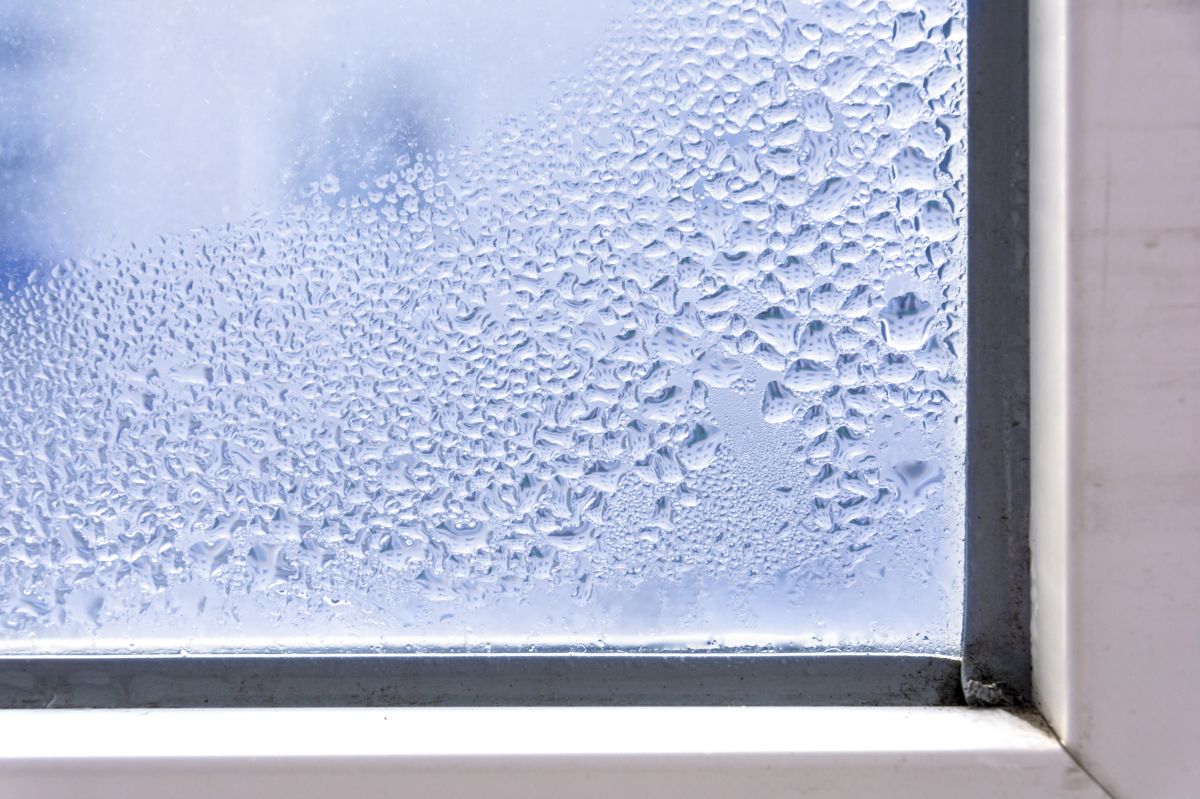
Cold and moisture can impair adhesion and curing.
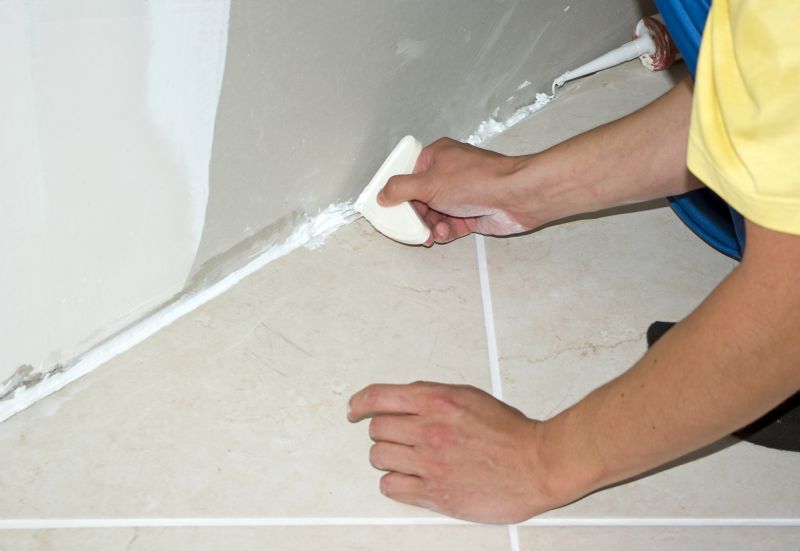
Ways to make Caulkings work in tight or awkward layouts.
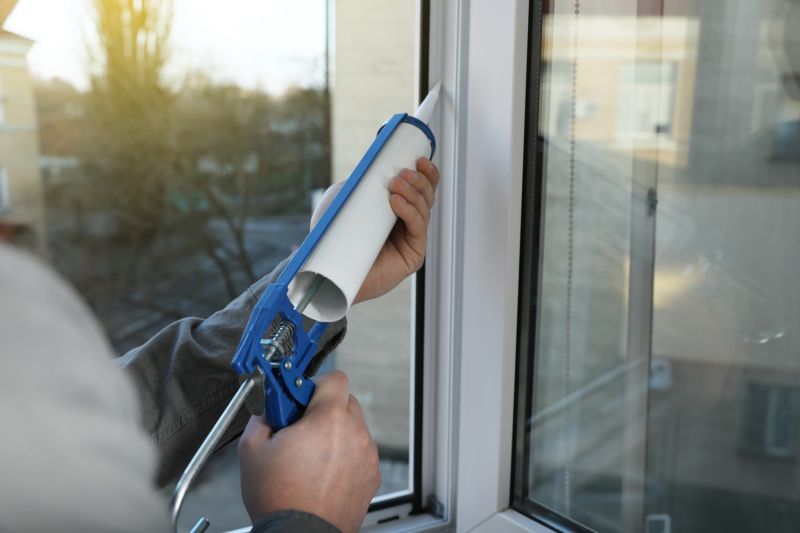
Popular materials for Caulkings and why they hold up over time.
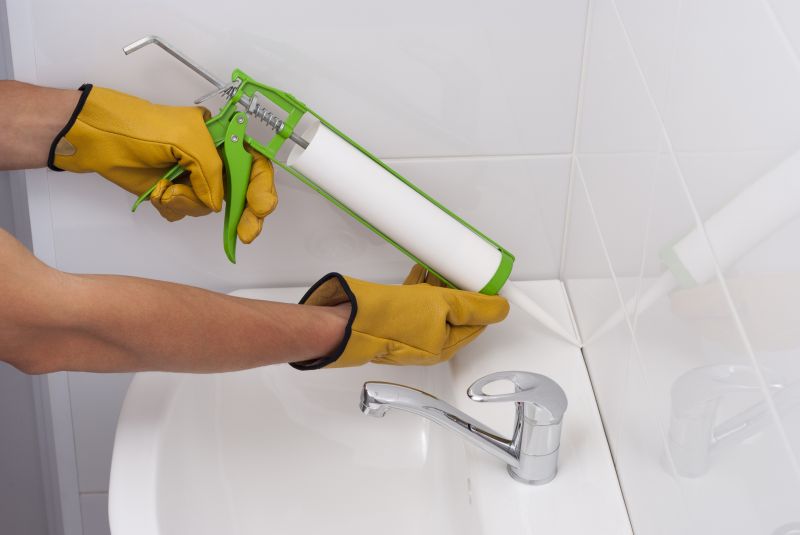
Simple add-ons that improve Caulkings without blowing the budget.
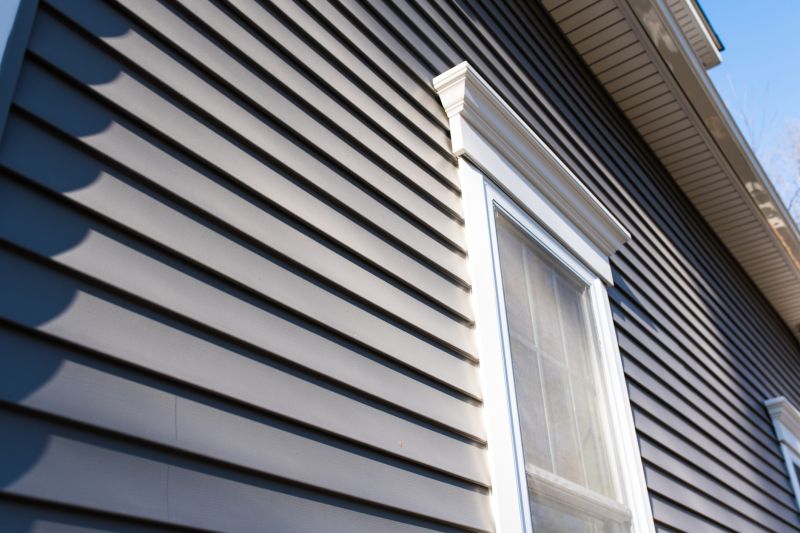
High-end options that actually feel worth it for Caulkings.
Interested in scheduling a caulking project? Fill out the contact form to receive more information and assistance tailored to your specific needs.